


 Click it and Unblock the Notifications

September 07, 2026
Two New Railway Lines: Indian Railways is Planning to Add Two New Railway Lines
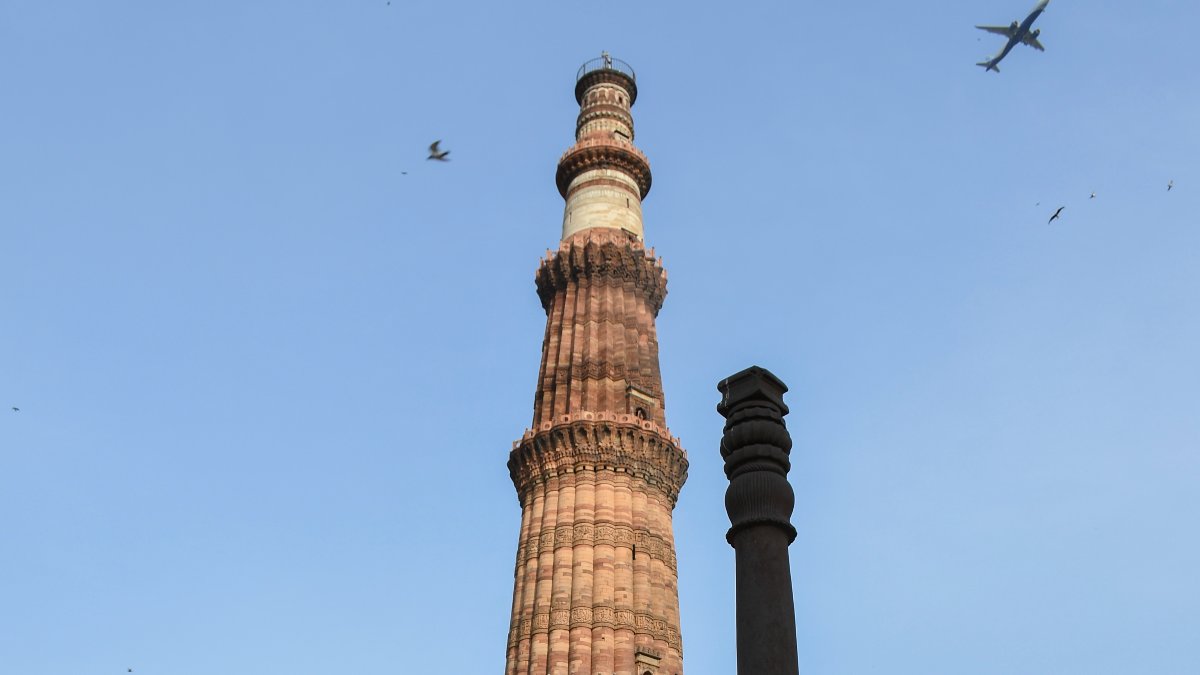
Qutub Minar stands as one of India’s most iconic historical landmarks, located in the Mehrauli area of Delhi. This UNESCO World Heritage Site is renowned for its soaring minaret, which rises to a height of 72.5 meters, making it the tallest brick minaret in the world. Built in the early 13th century by Qutb-ud-din Aibak and later completed by his successors, the monument is a testament to Indo-Islamic architecture. The complex also features ancient mosques, tombs, and intricately carved stone structures, offering visitors a glimpse into Delhi’s rich medieval past. Qutub Minar attracts history enthusiasts, architecture lovers, and tourists from around the globe, eager to explore its detailed inscriptions and unique design. The lush gardens surrounding the monument provide a tranquil setting for visitors to relax and reflect. Its historical significance and architectural grandeur make Qutub Minar a must-visit destination for anyone interested in India’s cultural heritage.
Entry Fee Details
| Indians | INR 40 |
| Foreign tourists | INR 550 |
| Children | Free |
| Video Camera | INR 25 |
| Still Camera | INR 25 |
Qutub Minar, Delhi Overview
| Label | Instagram Worthy |
| Tags | Monument |
| Timings | 6:00 AM to 8:00 PM |
| Time Required | 2 to 3 hours |
| Built By | Qutbu'd-Din Aibak, Shamsu'd-Din Iltutmish |
| Built In |
Entry Timings
| Sunday | 6:00 AM to 8:00 PM |
| Monday | 6:00 AM to 8:00 PM |
| Tuesday | 6:00 AM to 8:00 PM |
| Wednesday | 6:00 AM to 8:00 PM |
| Thursday | 6:00 AM to 8:00 PM |
| Friday | 6:00 AM to 8:00 PM |
| Saturday | 6:00 AM to 8:00 PM |
Qutub Minar is open to visitors from sunrise to sunset, generally between 7:00 AM and 5:00 PM daily. The site remains open throughout the week, including weekends and public holidays. There are no significant seasonal variations in opening hours, but it is recommended to visit during daylight for the best experience. Entry may be restricted during special events or maintenance periods, so checking ahead is advisable.
Qutub Minar is a remarkable example of early Indo-Islamic architecture, constructed primarily from red sandstone and marble. The minaret is adorned with intricate carvings and verses from the Quran, reflecting the artistic and cultural influences of its era. The surrounding complex includes the Quwwat-ul-Islam Mosque, the Iron Pillar of Delhi, and several tombs, each contributing to the site’s historical depth. Qutub Minar’s construction marked the beginning of Muslim rule in northern India, making it a significant symbol of the country’s diverse heritage.
Visitors to Qutub Minar can explore the towering minaret and admire its detailed stonework up close. Walking through the complex, guests can visit the Quwwat-ul-Islam Mosque, examine the ancient Iron Pillar, and discover various tombs and ruins. Photography enthusiasts will find numerous opportunities to capture the monument’s grandeur, especially during early morning or late afternoon light. Guided tours are available for those interested in learning more about the site’s history and architecture.
Qutub Minar is easily accessible by various modes of transport. The nearest metro station is Qutub Minar on the Delhi Metro’s Yellow Line, located a short distance from the monument. Public buses, taxis, and auto-rickshaws also serve the area. For those arriving by air, Indira Gandhi International Airport is approximately 15 kilometers away. The site is well-signposted, and parking facilities are available for private vehicles. Accessibility ramps and pathways are provided for visitors with mobility needs.
Many visitors describe their experience at Qutub Minar as awe-inspiring, noting the monument’s impressive scale and intricate craftsmanship. The peaceful gardens and open spaces offer a welcome respite from the city’s bustle. Travelers often highlight the informative guided tours and the opportunity to learn about Delhi’s layered history. The site’s popularity means it can become crowded, especially on weekends, but early morning visits tend to be quieter and more serene.
The best time to visit Qutub Minar is during the cooler months from October to March, when the weather is pleasant and ideal for outdoor exploration. Early mornings and late afternoons offer softer light for photography and fewer crowds. Summers can be hot, so visitors are advised to carry water and sun protection. The monument is particularly striking at sunrise and sunset, when the red sandstone glows in the changing light.
Frequently Asked Questions
Is Qutub Minar open every day?

Yes, Qutub Minar is open daily from sunrise to sunset, including weekends and public holidays.
Can visitors climb to the top of Qutub Minar?
No, entry to the interior staircase is currently restricted for safety reasons.
Are guided tours available at Qutub Minar?
Yes, guided tours are offered on-site, providing historical insights and architectural details.
Is photography allowed at Qutub Minar?
Photography is permitted in the complex, but the use of tripods may require special permission.
What is the nearest metro station to Qutub Minar?
The nearest metro station is Qutub Minar on the Yellow Line of the Delhi Metro.
Latest News
September 07, 2026
Two New Railway Lines: Indian Railways is Planning to Add Two New Railway Lines

September 07, 2026
Diwali Special Trains: Indian Railways to Introduce Several Special Services to Handle Passenger Rush

September 07, 2026
Delhi Government to Redesign Routes, Aiming to Boost Connectivity Across Metro, E-Rickshaws, & Other Vehicles

September 03, 2026
Janmashtami Special Trains: Indian Railways has Announced Four Special Unreserved MEMU Train Services

September 02, 2026
Krishna Janmashtami Special Trains 2026: Indian Railways has Announced Special Services to Manage Traffic

August 26, 2026
Raksha Bandha Special Trains: Indian Railways has Announced 47 Special Services to Handle Passenger Rush

August 26, 2026
Delhi's Shivaji Stadium Metro Station: Construction Work has Started as a Part of the Central Vista Corridor

August 26, 2026
Delhi Power Cut on 26 August: Check out the List of Areas to be Affected in Delhi Today
August 24, 2026
Delhi Metro has Received an ISO Certification to Work on Mumbai Metro Project

August 20, 2026
Delhi's Women-only Electric Buses: Delhi Govt Introduced 56 Women Services out of 200 Electric Buses




 Continue with Google