


 Click it and Unblock the Notifications


Embark on a travel through time as you journey into Northern Maharashtra. Start from the coast far removed from the chaos of Mumbai and delve deeper into the country's interior of the Deccan Plateau, home to attractions like the world heritage sites of Ajanta and Ellora. Witness a technological marvel at Panchakki or visit Lord's Rama's resting place during his exile. Pause at the Daulatabad fort and relive the grandeur and sadness of a city that fell prey to the whims and fancies of a manic ruler. Here is a look at the sights of Northern Maharashtra that you cannot afford to miss.
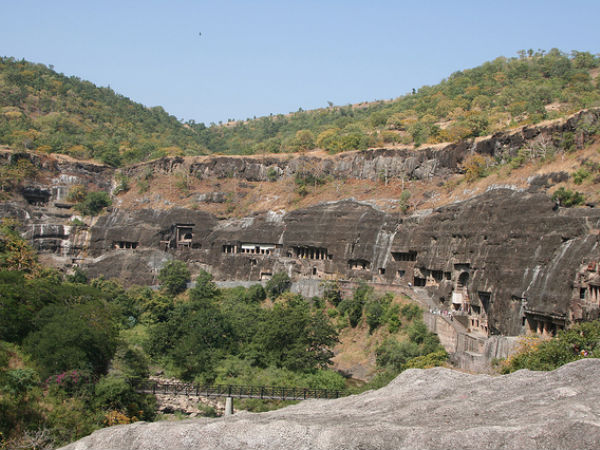
Aurangabad Caves
The Aurangabad Caves aren't a patch on Ellora or Ajanta, but they do throw some light on early Buddhist architecture and, above all, make for a quiet and peaceful outing. Carved out of the hillside in the 6th or 7th century AD, the 10 caves, comprising two groups 1km apart are all Buddhist. Cave 7, with its sculptures of scantily clad lovers in suggestive positions, is a perennial favourite. The caves are about 2km north of Bibi-qa-Maqbara.
Pic Credit: swifant
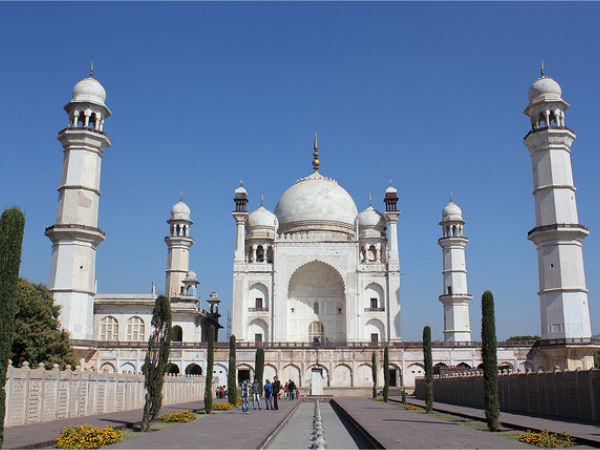
Bibi-qa-Maqbara
The 'Poor man's Taj' was built in 1679 by Aurangzeb's son Azam Khan in the memory of his mother, Rabia-ud-Daurani. The structure bears striking resemblance to Agra's Taj Mahal. It is much less grand, however, and apart from having a few marble adornments, namely the plinth and dome, much of the structure is finished in lime mortar. However, despite the use of cheaper material and the obvious weathering, it's a sight far more impressive than the average mausoleum.
Pic Credit: Arian Zwegers
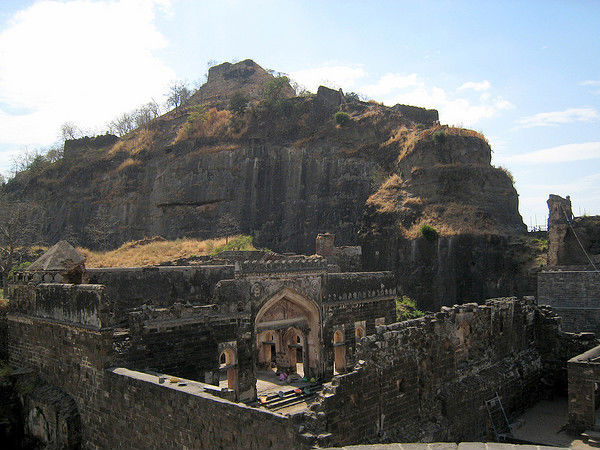
Daulatabad Fort
No trip to Aurangabad is complete without a pit-stop at the ruined but truly magnificent hilltop fortress of Daulatabad, about 15km away from town en route to Ellora. It was named Daulatabad, the City of Fortune, by Sultan Mohammed Tughlaq, who decided to shift his kingdom's capital to this citadel from Delhi. Known for his eccentric ways, Tughlaq even marched the entire population of Delhi to populate it. Sadly, Daulatabad proved untenable as a capital for strategic reasons, and Tughlaq forced its inhabitants to march all the way back to Delhi, which had by then been reduced to a ghost town.
Pic Credit: Todd vanGoethem
Ellora Cave Temples
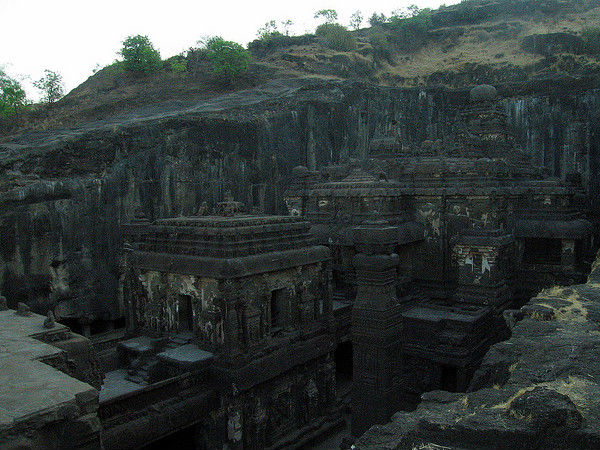
The Ellora cave temples are the pinnacle of ancient Indian rock-cut architecture. These caves were chipped out laboriously through five centuries by generations of Buddhist, Hindu and Jain monks. Monasteries, chapels, temples; the caves served every purpose, and the style quotient was duly met by embellishing them with a profusion of remarkably detailed sculptures. The Ellora caves line a 2km-long escarpment, the gentle slope of which allowed architects to build elaborate courtyards in front of the shrines as well.
Pic Credit: Ajay Tallam

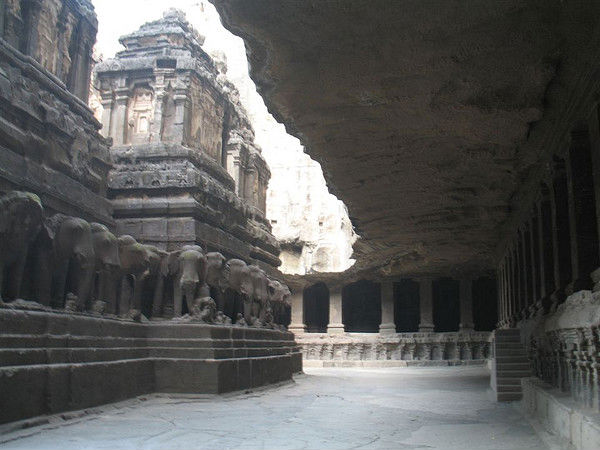
Kailasa Temple
This rock-cut temple was built to represent Mt Kailasa (Kailash), Shiva's Himalayan abode. Three huge trenches were bored into the sheer cliff face with hammers and chisels, a process that entailed removing 200,000 tonnes of rock, while taking care to leave behind those sections that would later be used for sculpting. Covering twice the area of the Parthenon in Athens and being half as high again, Kailasa is an engineering marvel that was executed straight from the head with zero margin for error. Check out more of Ajanta and Ellora caves here.
Pic Credit: cool_spark
Panchakki
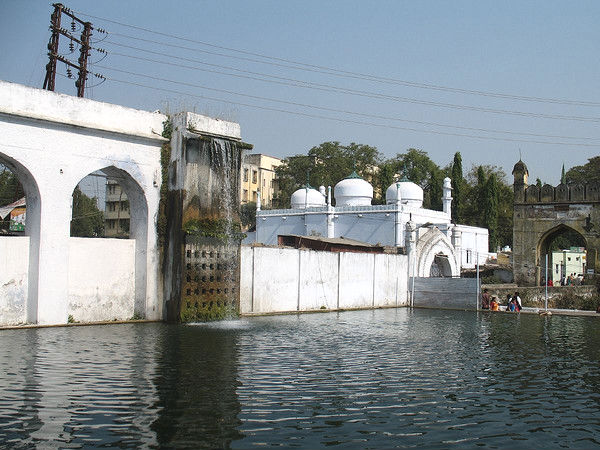
The garden complex of Panchakki, literally meaning ‘water wheel', takes its name from the hydro-mill which, in its day, was considered a marvel of engineering. Driven by water carried through earthen pipes from a reservoir 6km away, it was once used to grind grain for pilgrims. One can still see machine at work today. Baba Shah Muzaffar, a Sufi saint and spiritual guide to Aurangzeb, is buried here. His memorial garden, flanked by a series of fish-filled tanks, is near a massive banyan tree on the southern side of the main cistern.
Pic Credit: cool_spark

Pandav Leni
Dating from the 1st century BC to the 2nd century AD, the 24 early Buddhist caves of Pandav Leni are located about 8km south of Nasik along the Mumbai road. There's a steep, 20-minute hike separating the caves from the highway. Caves 19 and 23 have some interesting carvings, others bear animal figures and dice boards once engraved into the stone floors by resident monks.
Pic Credit: Wikki Commons

Ramkund
This bathing ghat in the heart of Nasik's old quarter sees hundreds of Hindu pilgrims arriving daily to bathe, pray and - because the waters provide moksha (liberation of the soul)- to immerse the ashes of departed friends and family. For a tourist, it's an intense cultural experience, heightened by the presence of a colourful market downstream.
Pic Credit: Arian Zwegers
Ramtek
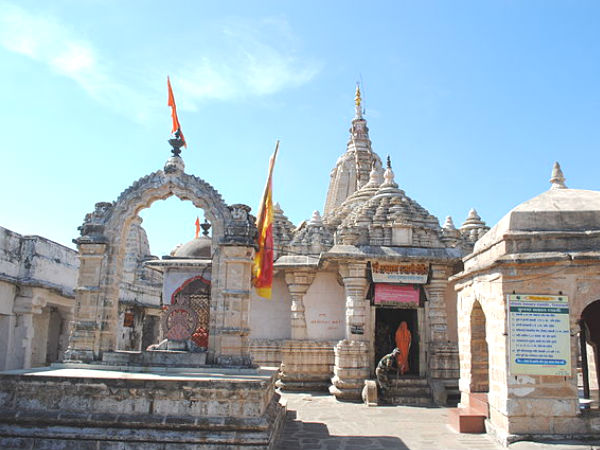
Ramtek is believed to be the place where Lord Rama, of the epic Ramayana, spent some time during his exile with his wife Sita and brother Lakshman. The place is marked by a cluster of temples , about 600 years old, which sit atop the Hill of Rama and have their own population of resident monkeys. On the road to the temples you'll pass the delightful Ambala Tank , lined with small temples.
Pic Credit: Wikki Commons
Sula Vineyards
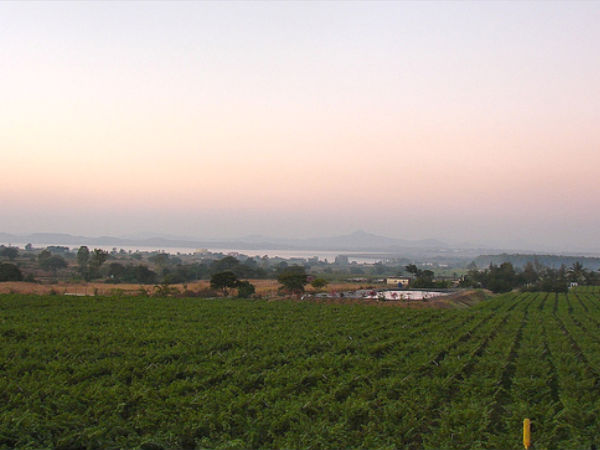
Located 15km west of Nasik, industry pioneer Sula Vineyards runs a tasting room where you can round off a vineyard tour with a spirited session of wine-tasting in its wood-and-mosaic balcony bar. For a more lavish experience, head 3km inland to Beyond , a charming three-bedroom bungalow set amid the vines, where you can ride out on bicycles past the rolling hills, picnic beside the nearby lake or skim the still waters on a kayak.
Pic Credit: chiragndesai