


 Click it and Unblock the Notifications
Davanagere Attractions - Tourist Places To Visit In Davanagere
-
01Durgamba temple
 + Read More
Located in the main heart of the city of Davanagere, Goddess Durga is the presiding deity of this temple. It is one of the major attractions of the city which attracts a lot of travellers. This temple was built in the year 1932. A stone that was brought from the village of Duggatti was being prayed until the shrine was built for the goddess. The goddess in the temple has the head slightly tilted towards her left and mesmerises the devotees. There are shrines of Lord Hanuman, Lord Gopalakrishna and Navagraha within the temple complex. Flowers and fruits are available outside the temple premises. A car festival is conducted with great joy every once in 2 years.
-
02Hanumantha temple
 + Read More
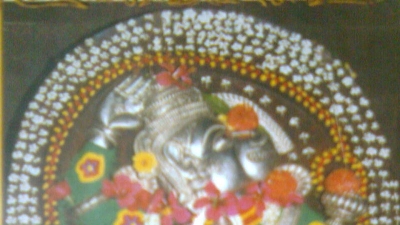
Located in the village of Shamanur, in the district of Davanagere, this temple is dedicated to Lord Hanuman. The presiding deity is Lord Hanuman and the god is said to have been installed by the Dvaita saint Sri Vyasa Raja 800 years ago in this village. The temple is flocked with devotees mostly on Tuesdays and Saturdays. The temple underwent a renovation in the year 2000 and the temple was constructed in the Dravidian style of architecture. The statue of the lord is 6 ft tall and is the village deity. The temple celebrates the car festival every year for 3 days after the 10th day of Maha Shivratri with great fervour and gaiety.
-
03Kundavada Kere
 + Read More
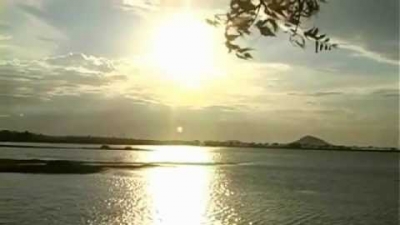
Located in the district of Davanagere, Kundavada Kere or Kundavada Lake is one of the major attractions of this place. This lake is situated in the MCC A Block and is a source of drinking water to the people of this district. It is also one of the attractions in Davanagere. The length of the lake is 5.15 kilometres. It is said to be one of the picnic spots in Davanagere amongst all other attractions located in the city. A lot of people are found to be relaxing, in the early mornings, near this lake and it is also an apt place to watch the sunrise and sunset.
-
04Comprehensive Water Tank
 + Read More
Popularly known as channel by the locals, this place is located on the Davanagere bypass road and there is a TV station in the premises. This is one of the tourist attractions in Davanagere and attracts a lot of people. You can take a walk around this place and it offers a great view especially in the evenings. This tank is the main source of water supply and the tank supplies 45 gallons of water to the entire city. This comprehensive tank has the capacity to cater water for 40-45 days to the people of the city during summer season. The TV station also attracts a lot of localites throughout the year.
-
05Kondajji lake
 + Read More
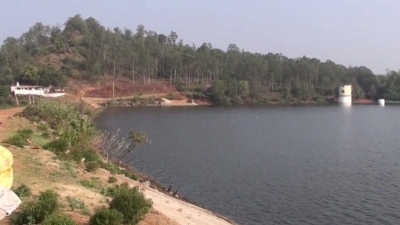
Located at a distance of 13 km from Davanagere, on the way to Harihar, is the Kondajji Lake. This lake is one of the tourist attractions as it is an abode for different species of birds. This place is also a centre for major Scouts and Guides training in South India. Kondajji is a village in Harihara Taluk and the Kondajji Lake flows through this village and the place has some beautiful hills surrounding it. The lake also offers boating for visitors. A proposal to develop this place as a major tourist destination has been submitted to the government. The lake is named after Kondajji Basappa.
-
06Ram and Co Circle
 + Read More
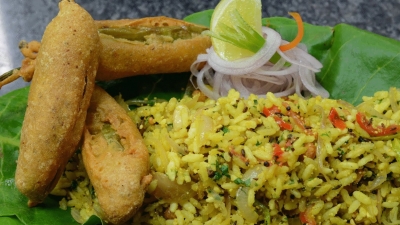
The famous food street of Davanagere is the Ram and Co Circle. It is located in the heart of the city, PJ extension and is famous for roadside food. There are small shops that serve the tastiest food and local Davanagere delicacies, locally called mandakki or soosla and mirchi (combination of puffed rice served with hot and deep fried chilli bhajiyas). The street also has a lot of other food stalls that sell a lot of other cuisines. The street would be filled with all kinds of people trying their hands on different lip-smacking food during the evenings. There are shops that are here on this street for more than 30-35 years.
-
07Kalleshwara temple
 + Read More
This ancient temple of Kalleshwara is located the town of Bagali in the Davanagere district. The temple has seen the rule of two dynasties; Rashtrakuta and Western Chalukyas. The temple was constructed by a person called Duggimayya. There are erotic carvings on the temple walls, which are referred to as late Rashtrakuta. The temple was built in the vimana style of architecture. There are 36 old inscriptions in Kannada dialect that dates back to 10th and 11th centuries. This temple is protected by the ASI. The temple dates back to 987 AD and the shrines dedicated to Lord Sun, Lord Narasimha, Goddess Mahishasuramardini, Ganesha, Kartikeya, Anantashayana and Goddess Saraswathi can be seen in the temple premises. The presiding deity is Lord Shiva and there are eight small shrines within the temple premises. There are beautiful lathe turned pillars in the temple and this is a major attraction in Davanagere.
-
08Bathi Gudda
 + Read More
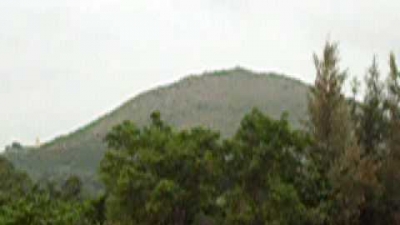
A small mountain that is located at a distance of 4 km from Davanagere on the way to Harihara is the Bathi Gudda. This hill gives us a view of the entire city when stood atop. A temple and a Dargah can be spotted on this hill and it is an unexplored place around the district of Davanagere. The name of the Dargah is Chaman Shah and people from all religions come to this place to seek blessings. Bathi Lake and Bhadra Sugar Factory are situated near Bathi Gudda. On your visit to Bathi Gudda, there is a scope to visit the milk dairy of Davanagere that supplies milk to both Davanagere and Chitradurga district.
-
09Agasanahalli Nagappa Temple
 + Read More
Located at a distance of 70 km from Davanagere, the village of Agasanahalli has a temple built for Lord Narasimha, in the form of Lord Subramanya. This is a very ancient temple and the history of the temple dates back to the age of saint Agastya who had once visited this village and performed penance. Hence, the village is named Agasanahalli. The sanctum sanctorum has an anthill with the image of Lord Narasimha—naturally formed—which is worshipped here. A lot of devotees flock in to seek blessings on no moon days and a car festival is celebrated with great devotion every once a year. The temple complex also has a shrine built for Lord Hanuman.
-
10Koggnur Hanuman temple
 + Read More
At an approximate distance of 30-35 km from Davanagere is the village of Koggnur. This village has a shrine of Lord Hanuman which is said to have been installed by Sri Vyasaraja, one of the Dvaita philosophers. The temple is close to 800 years old and the statue of Lord Hanuman is close to 6 feet tall and has been carved on a black stone. There are several other carvings that surround the main deity. The temple is pretty and there is a small cave close to the temple. There is a Shivalinga and other statues of gods in the cave. There is also a shrine dedicated to Badarinarayana (another form of Lord Vishnu).
-
11Betur
 + Read More
Betur is situated on the Davangere-Jagalur highway, at a distance of 6 km from Davanagere. This place is famous for the architecture of the Chalukya dynasty. Betur has temples dedicated to Lord Shiva and Goddess Parvati. It is said to have been the capital of Tribhuvana Malla Pandya during the medieval period. The temples dedicated to Lord Shiva and Goddess Parvati are pretty ancient. The pillars inside the temples have inscriptions and manuscripts revealing the glory of the past. The temple premises also have statues of Nandi (the sacred bull) and Lord Nataraja (another form of Lord Shiva). Betur is a heritage site and it is said that Davanagere was once part of Betur.
-
12Anekonda
 + Read More
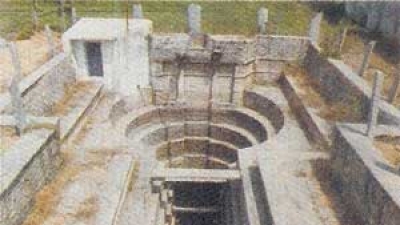
Another historical place, located at a distance of 4 km from Davanagere on the Davangere-Jagalur highway, is Anekonda. Legend says that the elephants of the army were being tied when Betur was the capital city. Hence, the name Anekonda. This place is said to have been pretty big during the 11th and 12th centuries AD. This place has been ruled by the dynasties of Chalukyas, Ganda, Uchangi, Pandya and Hoysalas. There are also epigraphs of these dynasties proving the evidence of their rule at Anekonda. This is another historical place and an attraction at Davanagere.
-
13Sulekere
 + Read More
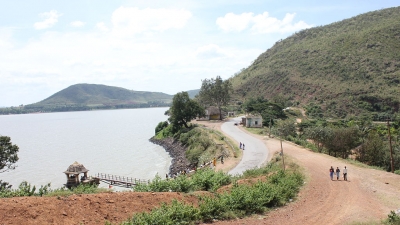
Located at a distance of 30 km in the Channagiri Taluk of Davanagere, this lake has a history of 800 years. This lake is the main source of irrigation and it is the second largest lake in the Asian continent. It took 3 years for the completion of the tank and it is also known as Shanti Sagara. The tank receives drainage of 52 square kilometres and it is poured into the gorge built on the stream named Haridra, tributary of Tungabhadra. Legend says that the tank belonged to Swargavati, which was ruled by King Vikramaraaya. The city was submerged and the childless king adopted a male child from the village Gowda of Bilahalli. The child was named Ragiraaya and later the queen gave birth to a girl baby who was born with the blessings of Lord Shiva and she was named Shantava. The tank was built by her and since it submerged the kingdom, she was cursed to be a prostitute and hence the name, Sulekere. The tank also has a stone with the year 1311 mentioned on it.
-
14Ucchangidurga
 + Read More
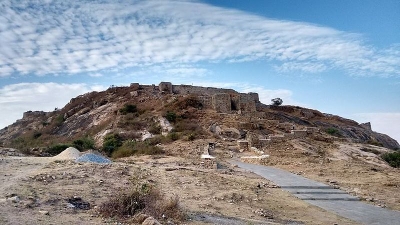
Located in the Harapanahalli Taluk of Davanagere district, Uchangidurga is at a distance of 30 km from Davanagere and is famous for its historical importance. This place has seen a lot of dynasties starting from the Pallavas, Kadambas to the Vijayanagara Empire. It is said that an inscription from the 4th century on the fierce battle that was fought between the Pallavas and the Kadambas is found in Anaji. Now, Uchangidurga is a crumbling edifice due to heavy rainfalls and a lot of human encroachment; the fort is at its fall now. However, the quarters for elephants, horses and soldiers is still visible. It is under the maintenance of the ASI department and permission for rock climbing has been restricted. The hill also has a shrine built for Ucchangamma and the place was once known as Ucchashringi and there is an annual fair that happens every year with great fervour and gaiety.